Sussex · 8 min read
Structural Landscaping and Construction: Bringing High-End Garden Designs to Life
High-end gardens succeed or fail below the surface. Proper drainage, sub-base, retaining walls and precise paving are what make a design last in Sussex weather.
Structural landscaping and garden construction in Sussex with sub-base and drainage being installed
A brilliant garden design only works if it is built properly. In Sussex, that means drainage that copes with clay soils, sub-bases that do not settle, retaining walls engineered for the load behind them and paving laid to precise falls. Structure is what makes a high-end garden last.
Why construction quality decides the result
Most failures in landscaping are invisible on day one: a patio that pools water, steps that move, a wall that leans. They come from shortcuts in groundworks. Getting the engineering right protects everything you see on top.
Essential elements of high-end hard landscaping
Precision paving and seamless transitions
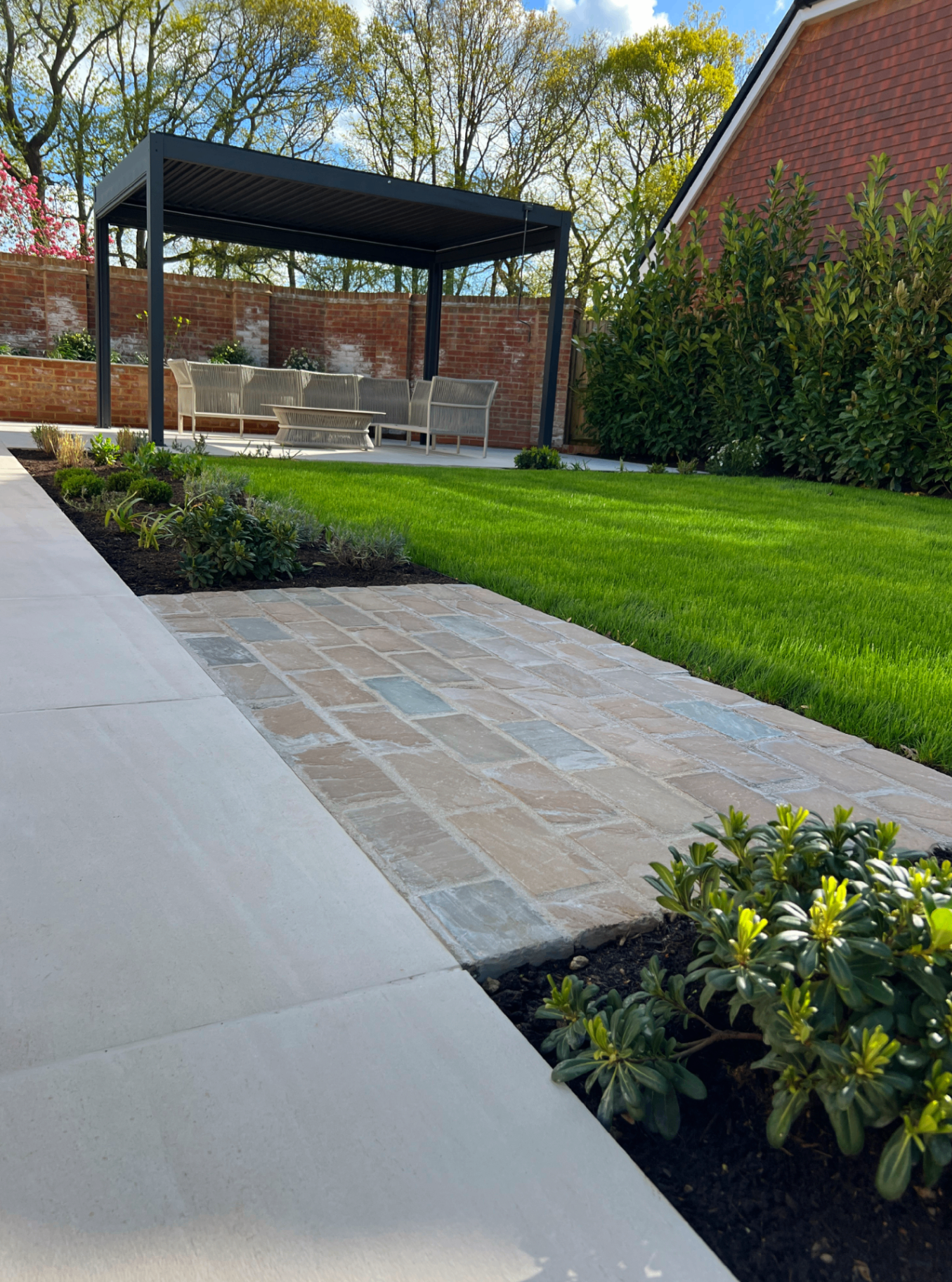
Porcelain and natural stone are laid on a compacted, well drained base with consistent joints and falls away from the house. Level thresholds into the home and clean transitions between materials give a refined finish.
Retaining walls and steps
On sloping plots, retaining walls and steps create usable levels. They need proper foundations, drainage behind the wall and materials that suit the house.
Timber, composite and structural additions
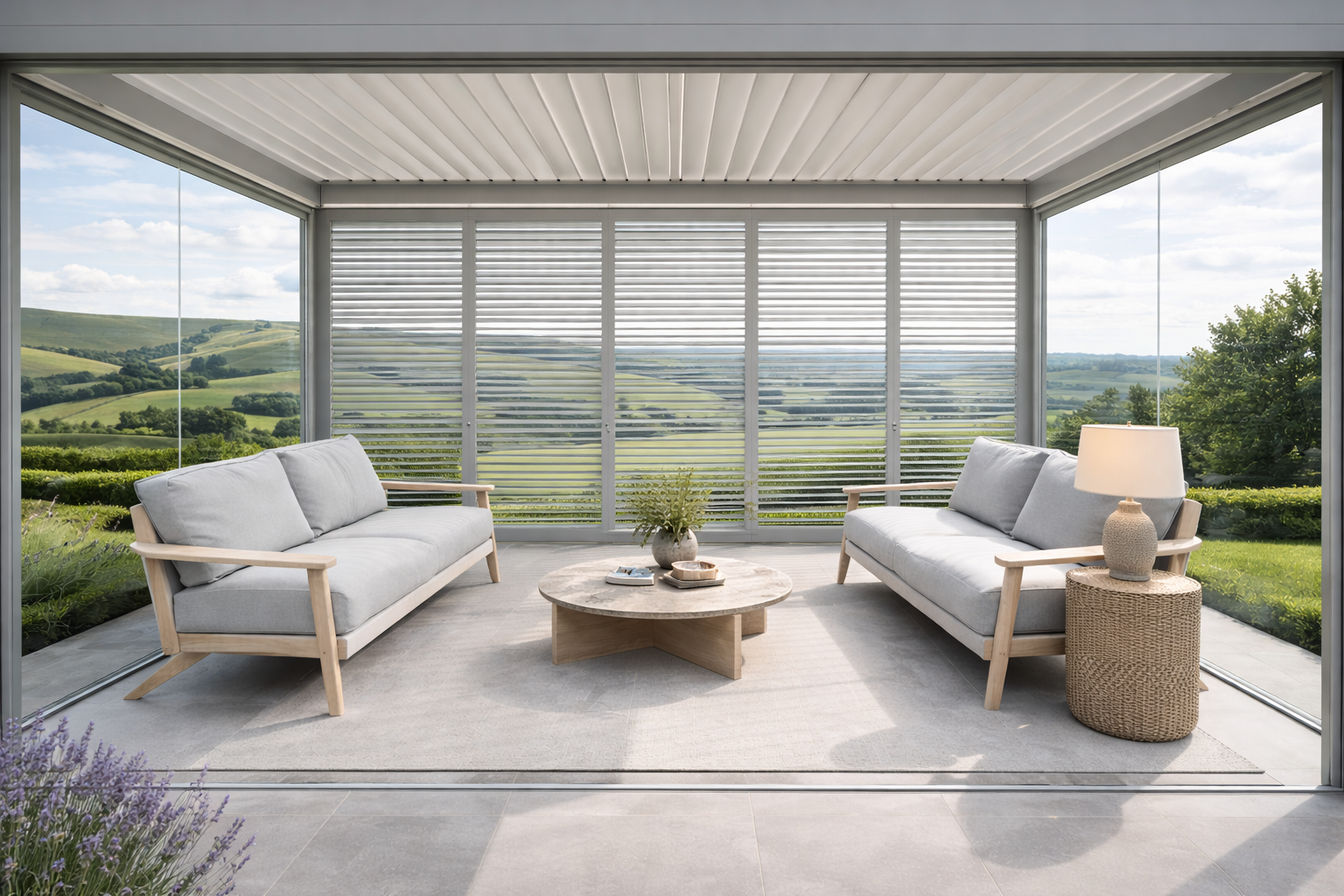
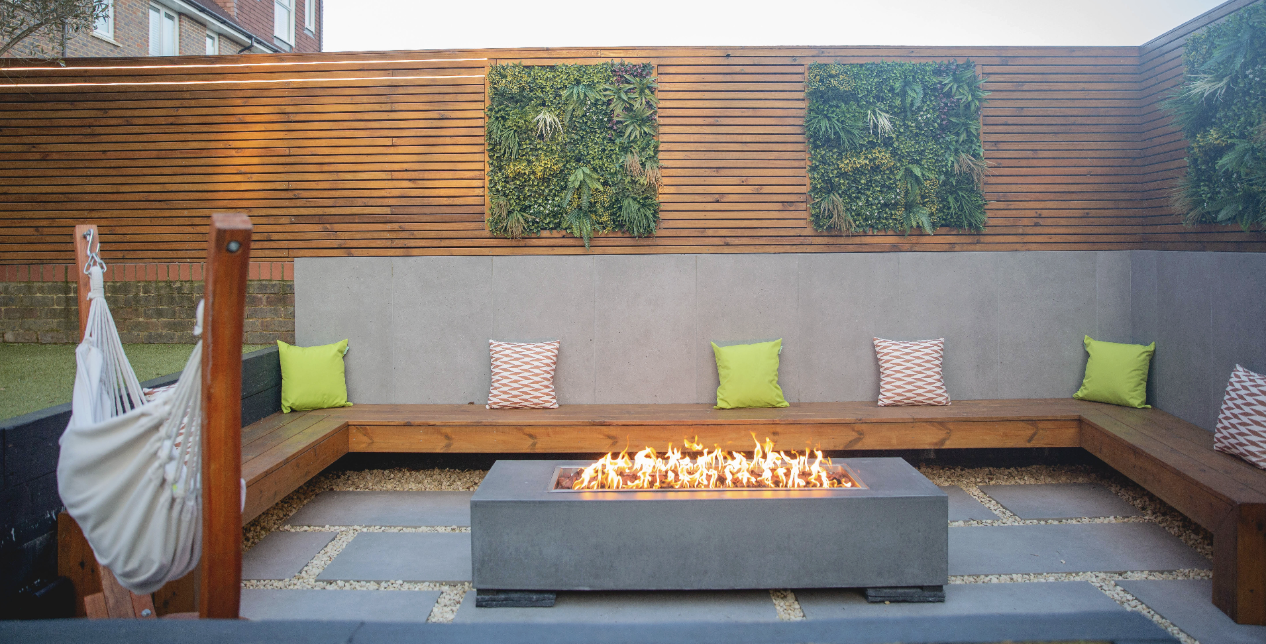
Decking, pergolas, feature walls and garden rooms all need solid footings and correct fixings so they stay square and safe for years.
Outdoor kitchens
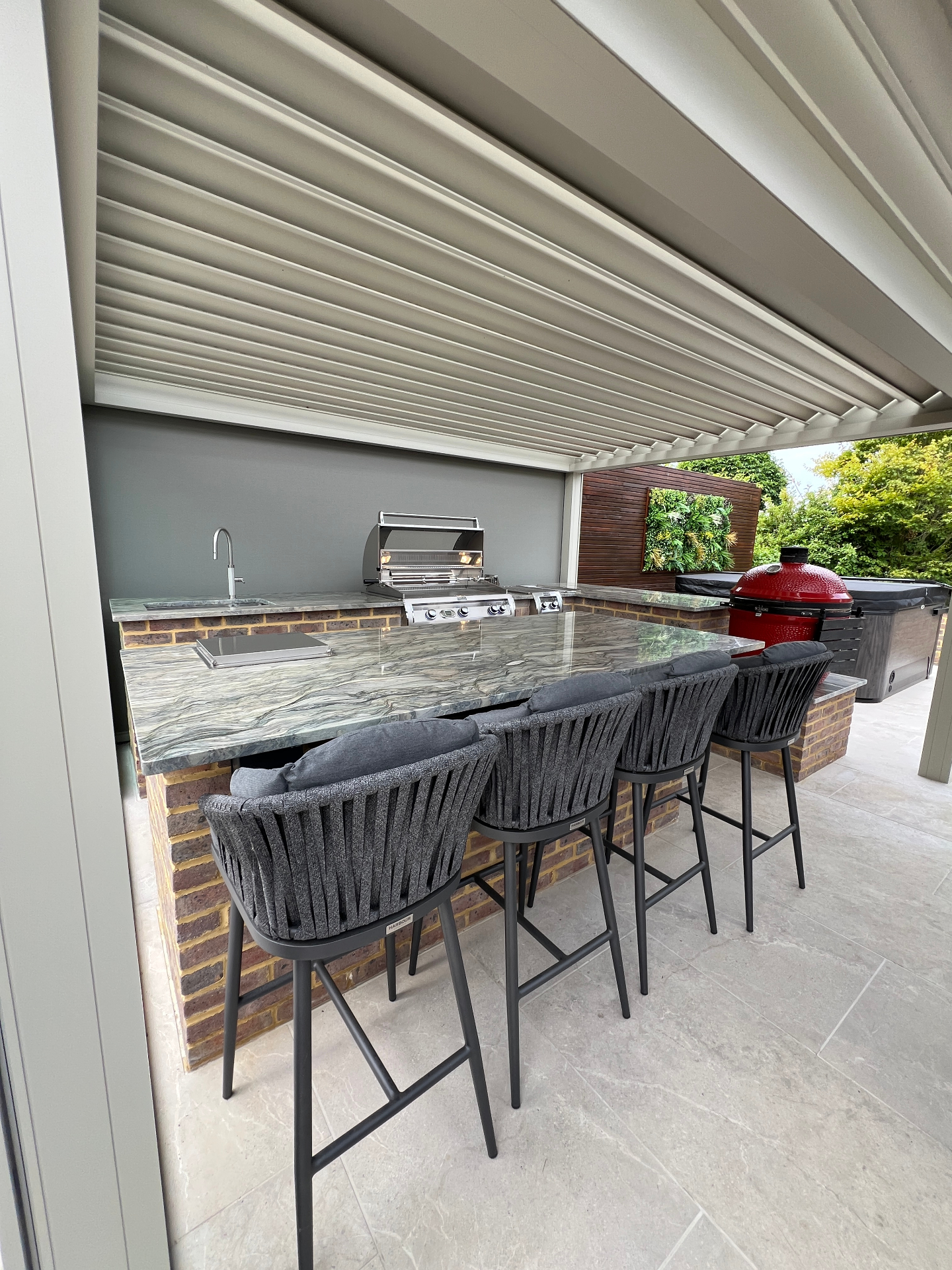
A built-in outdoor kitchen needs a level base, power, water and drainage planned in from the start, with durable worktops such as 30mm granite or ultra-compact surfaces suited to outdoor use.
Lighting, irrigation and drainage
Cables, ducting, irrigation lines and drainage channels go in before paving and planting so nothing has to be lifted later. Good lighting turns the garden into an evening space all year.
The design-to-build advantage
When the team who designs the garden also builds it, construction details are solved at the drawing stage, not on site. Questions are answered quickly, the price reflects the real design and there is one team responsible for the result.
Plan your build timeline
Talk to us about feasibility, budget and when your garden could be built.
Common questions
- What is included in full garden construction?
- Full garden construction normally covers clearance, spoil removal, groundworks, drainage, sub-bases, paving, walls and steps, structures such as pergolas, lighting and power, soil preparation, planting and lawn. A good quote lists each of these clearly.
- How long does a complete landscape overhaul take?
- Most complete overhauls take four to twelve weeks on site. Access, the amount of spoil, level changes, structures and weather all affect the programme.
- Why does drainage matter so much in Sussex?
- Heavy clay across much of Sussex drains slowly. Without proper falls, permeable bases or drainage channels, patios can pool water, heave or settle within a few winters.
Related services
Where we work
We design and build gardens, garden rooms and pergolas across Mid Sussex and the surrounding towns.
More landscapers & landscape gardeners guides
- Transforming a Tired Back Garden in Burgess Hill: A Renovation GuideMost Burgess Hill back gardens are structurally sound and visually exhausted. Here is how to renovate one without starting from zero.
- How to Choose a Landscaping Company in Mid Sussex: 10 Questions to AskThe difference between a garden that lasts and one that fails is almost always visible in the quote. Ten questions to ask before you sign.
- Garden Renovation: What a Full Rebuild InvolvesA renovation is a construction project with plants at the end of it. Knowing the sequence makes the disruption far easier to live with.