Sussex · 8 min read
Garden Design Costs in Sussex: A Transparent Breakdown
Where the money goes in a garden project, why quotes vary so widely, and how to set a budget that survives contact with the site.
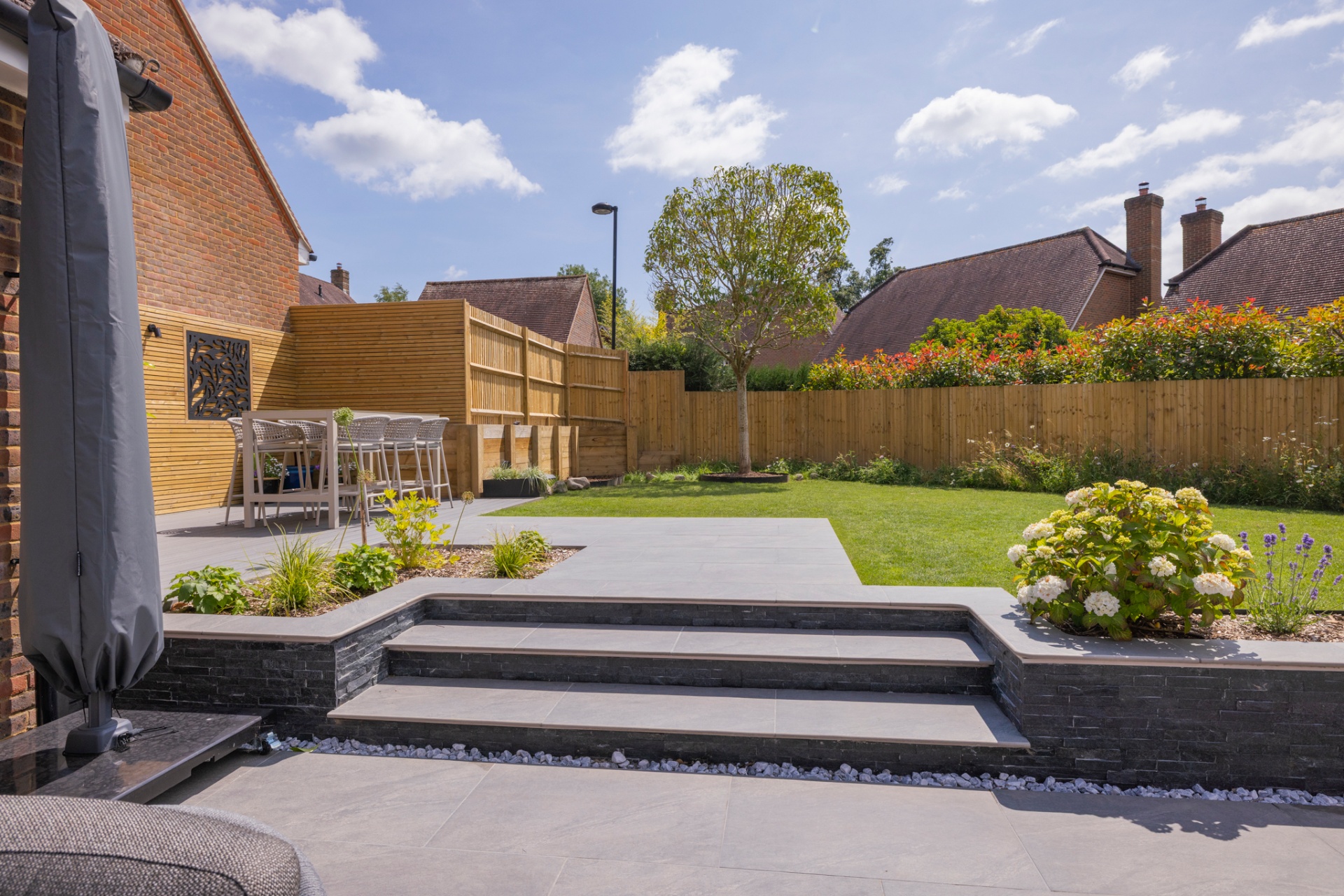
Stone terrace and planting in a designed Sussex garden
Garden budgets are hard to research because almost nobody publishes them, and the ones that are published rarely say what is included. Rather than a single figure, here is how a garden project is costed so you can read any quote properly.
Design fees are separate from build
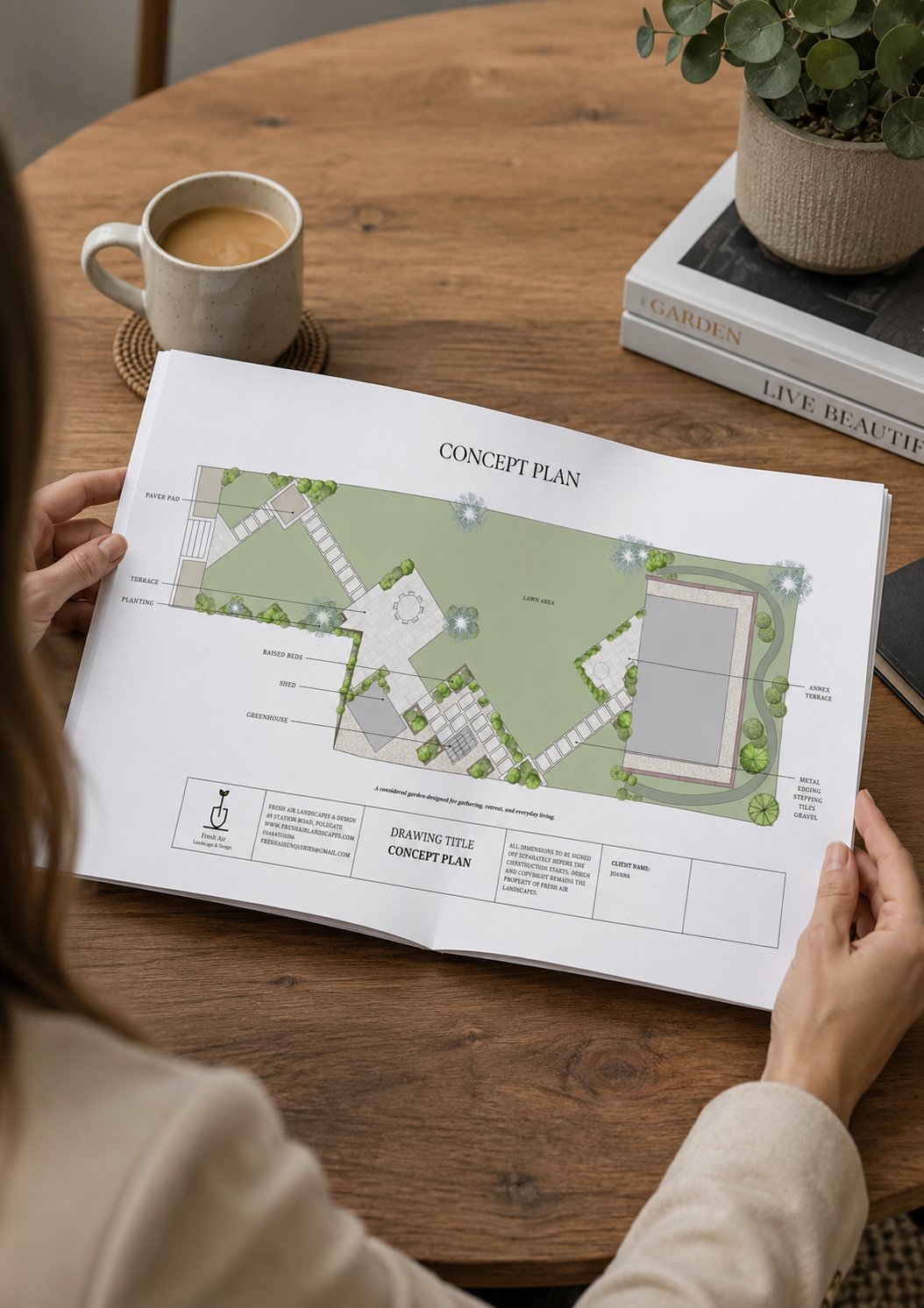
The design stage - survey, concept plan, planting design, construction drawings and 3D visuals - is a professional service with its own fee. It typically represents a modest share of the overall project but determines almost all of the outcome. Paying for design and then getting three builders to price the same drawings is the only way to compare quotes fairly, because everyone is pricing the same thing.
The build cost stack
- Enabling works - clearance, spoil removal, access protection, skips
- Groundworks and levels - the largest hidden cost on sloping sites
- Hard landscaping - paving, steps, walls, decking, edging
- Structures - pergolas, garden rooms, outdoor kitchens, screens
- Water, power and lighting - trenching, ducting, fittings, certification
- Soil, planting and turf - topsoil quality is worth paying for
- Aftercare - establishment watering, first-year maintenance
What pushes costs up
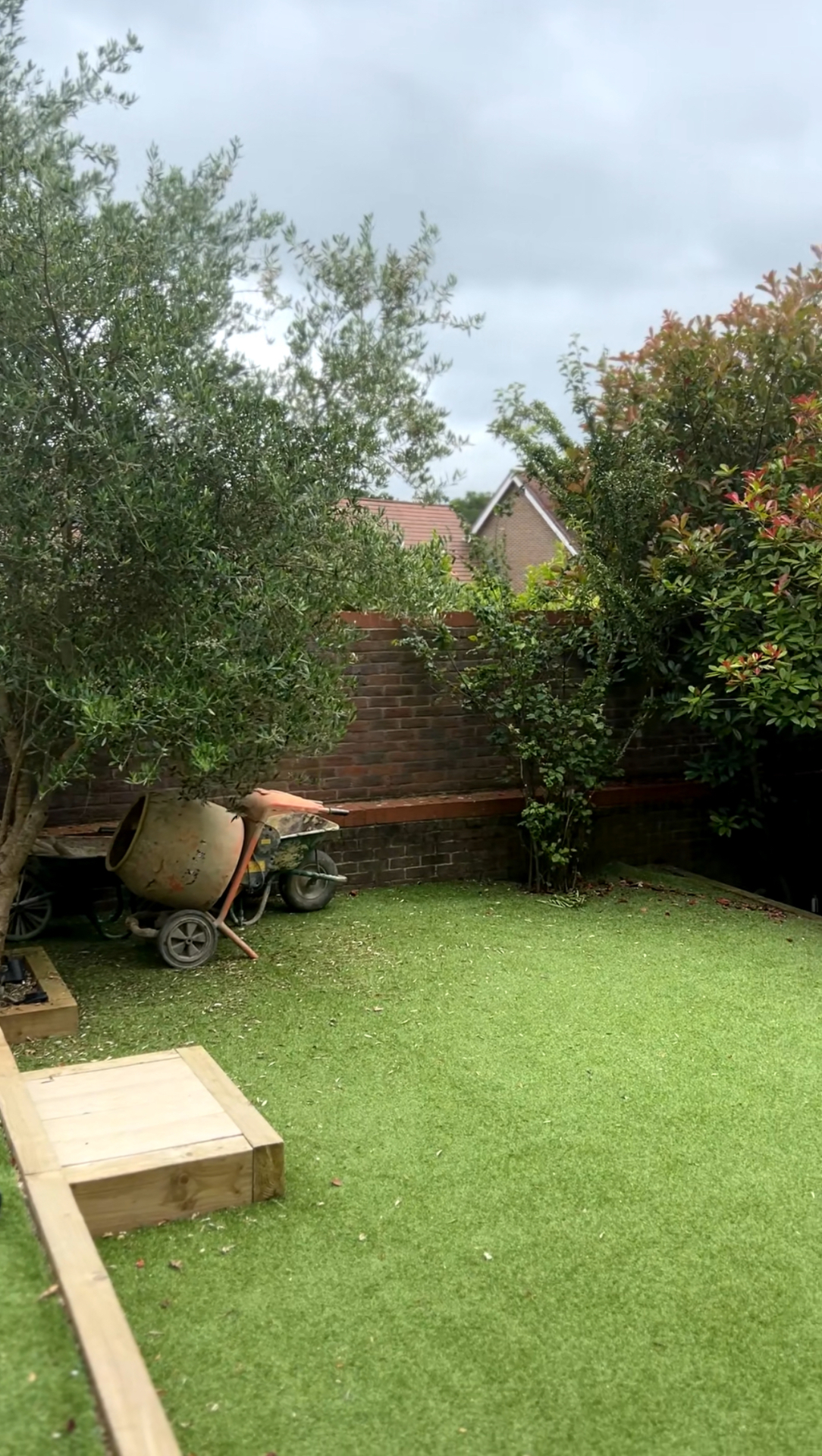
Access is the biggest one. A garden reachable only through the house or a narrow side gate means everything moves by barrow, and labour hours climb. Level changes come second: retaining structures are engineered elements and cost accordingly. Then materials - natural stone, large-format porcelain and hand-cut timber all sit well above the standard options.
Where to spend and where to save
- Spend on structure, drainage and levels - you cannot revisit them cheaply
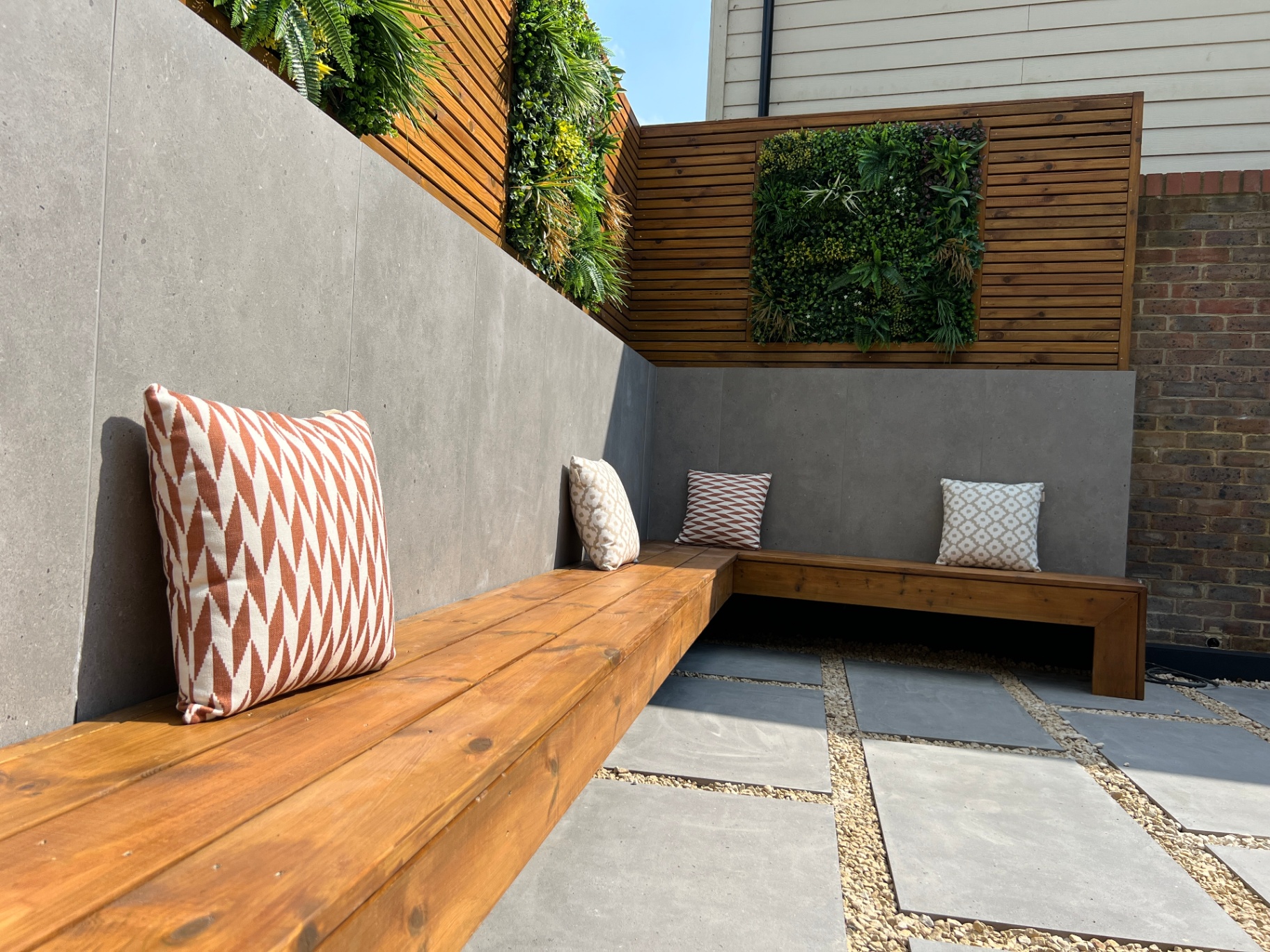
- Spend on the main terrace, the surface you will use every day
- Save by phasing - build the bones now, plant and furnish over two seasons
- Save on quantity of specimen plants, not on soil preparation
Phasing works well
A complete design drawn up front, built in two or three phases, almost always produces a better garden than a smaller garden built all at once. The drawings keep the phases coherent, and services can be ducted early so later phases do not disturb finished work.
Common questions
- How much does garden design cost in Sussex?
- As a guide, a full design package for a Sussex garden typically runs from around 2,500 pounds for a concept plan to 6,000 pounds or more where 3D visuals, planting plans and construction detailing are included. The design fee is usually a small share of the build cost.
Related services
Where we work
We design and build gardens, garden rooms and pergolas across Mid Sussex and the surrounding towns.
More garden design guides
- Garden Design in Cuckfield: What a Bespoke Design Process Actually InvolvesFrom the first site survey to the finished build, here is exactly how a bespoke garden design unfolds for a Cuckfield home - and what to expect at each stage.
- Luxury Garden Design in Haywards Heath: Costs, Timelines and What to ExpectA frank guide to budgets and programme for a high-end garden in Haywards Heath - what drives cost, what protects value, and where to spend first.
- Sloping Gardens in the South Downs: Terracing, Steps and Retaining WallsA slope is an opportunity to build a garden with rooms, views and drama - provided the engineering underneath it is taken seriously.