Sussex and Surrey · 7 min read
Low-Maintenance Luxury: Gardens That Look After Themselves
Low maintenance does not mean paving and gravel. It means designing out the jobs you do not want to do.
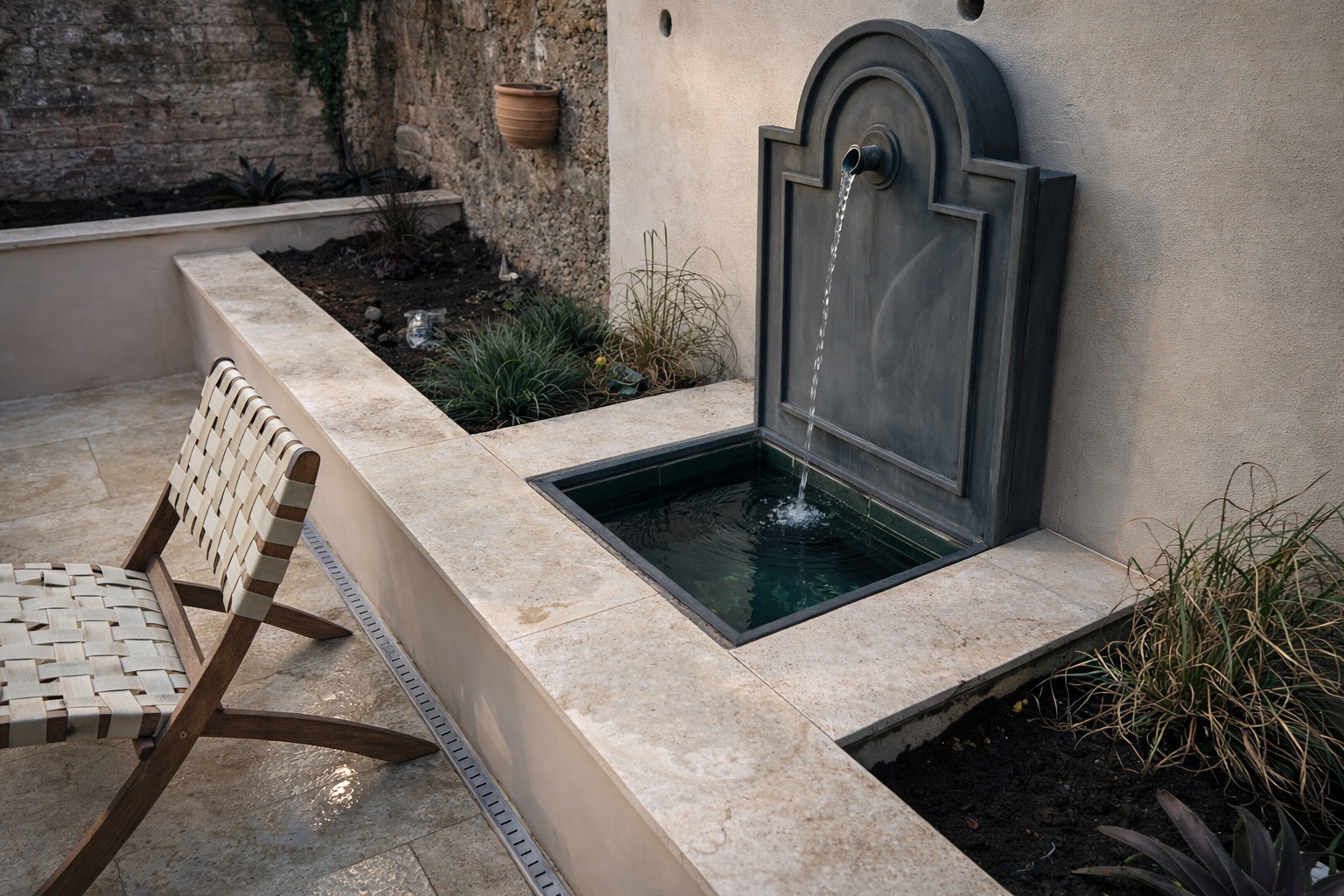
Structured low-maintenance garden with evergreen planting
Almost every brief we receive includes the phrase low maintenance. It is worth unpacking, because what people usually mean is that they do not want weekly obligations - not that they want a garden with nothing living in it.
Where the hours actually go
- Weeding thin, sparsely planted borders - by far the biggest time cost
- Mowing awkward lawn shapes with edges to strim
- Clipping many small hedges instead of a few large ones
- Watering pots - the highest maintenance element in any garden
- Cleaning the wrong paving in the wrong place
Plant more densely, not less
The single most effective low-maintenance decision is dense planting. Plants that knit together within two seasons leave no bare soil for weeds, hold moisture and need less watering. Sparse planting in a sea of bark is the highest-maintenance border there is.
Structure carries the year
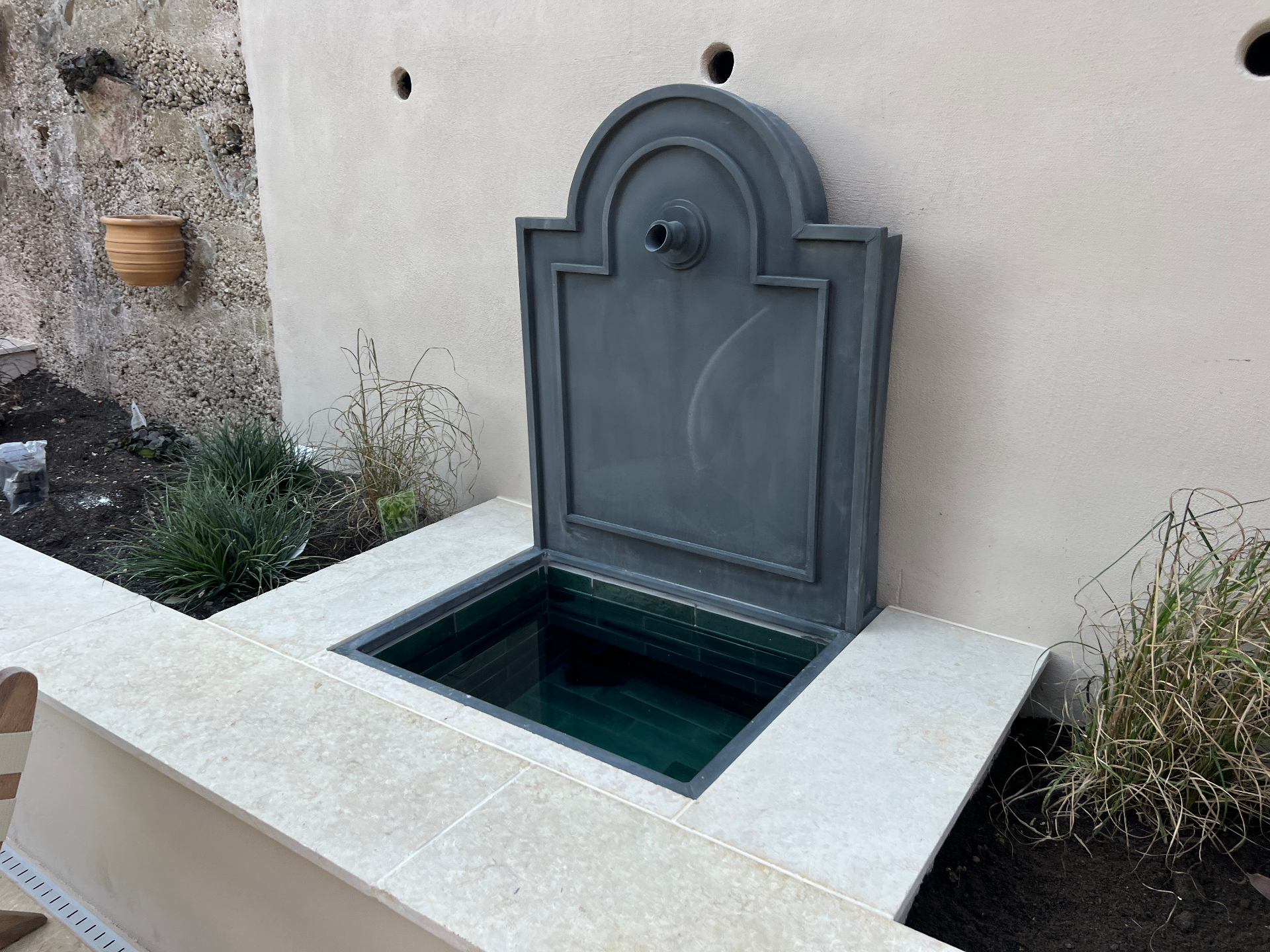
Evergreen shapes, grasses left standing over winter and multi-stem trees keep a garden looking composed with almost no intervention. Add a limited palette of perennials that are cut back once a year, and the whole border is one job each spring.
Design out the fiddly bits
- Mowing edges flush with lawn level so no strimming is needed
- Generous, simple lawn shapes rather than curves around obstacles
- In-ground irrigation on a timer instead of pots and cans
- A deep mulch layer, topped up annually
- Paving specified for its aspect - textured where shaded and damp
Be honest about the number
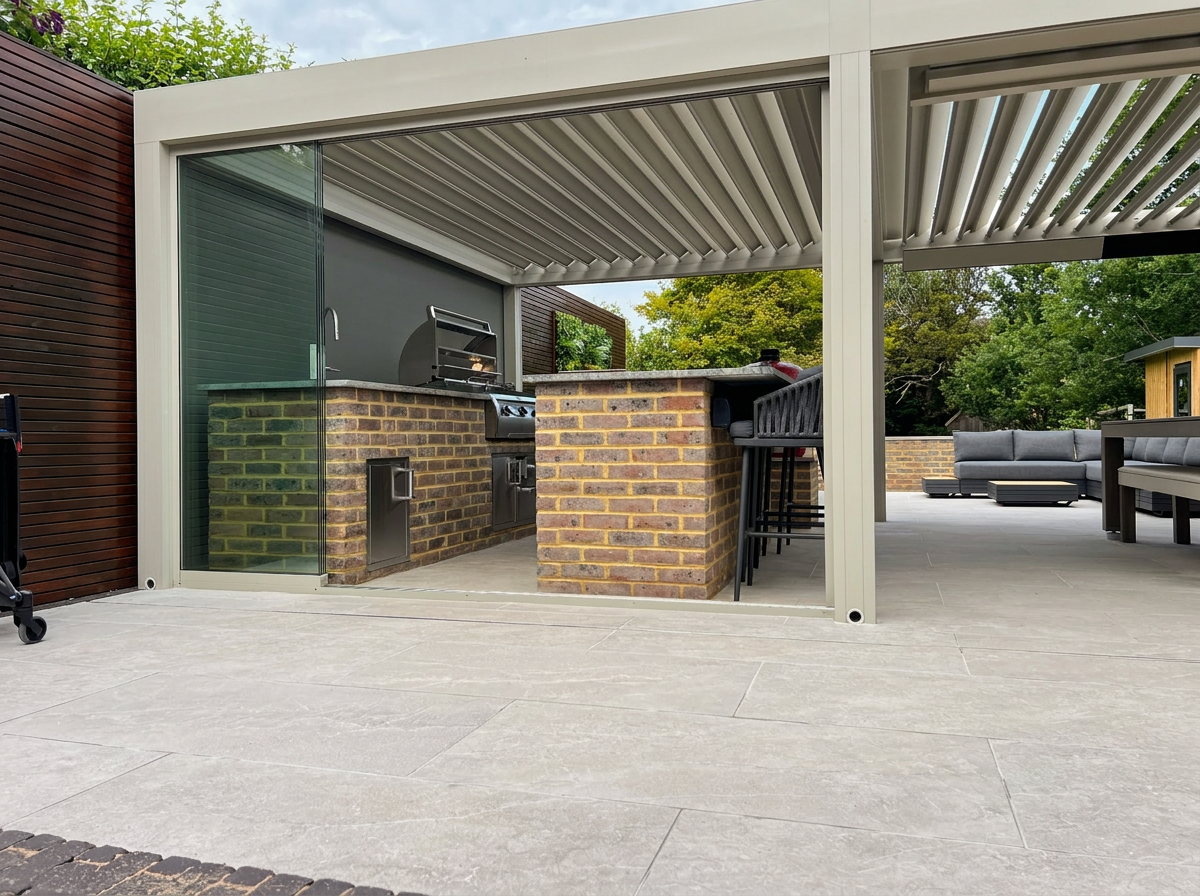
A well-designed garden of a few hundred square metres still wants perhaps two hours a month averaged over the year, plus a spring cut-back. We would rather set that expectation at design stage than promise nothing and hand over a garden that quietly declines.
Related services
Where we work
We design and build gardens, garden rooms and pergolas across Mid Sussex and the surrounding towns.
More garden design guides
- Garden Design in Cuckfield: What a Bespoke Design Process Actually InvolvesFrom the first site survey to the finished build, here is exactly how a bespoke garden design unfolds for a Cuckfield home - and what to expect at each stage.
- Luxury Garden Design in Haywards Heath: Costs, Timelines and What to ExpectA frank guide to budgets and programme for a high-end garden in Haywards Heath - what drives cost, what protects value, and where to spend first.
- Sloping Gardens in the South Downs: Terracing, Steps and Retaining WallsA slope is an opportunity to build a garden with rooms, views and drama - provided the engineering underneath it is taken seriously.